Gestational diabetes is a condition that affects some pregnant women, leading to high blood sugar levels that can impact both mother and baby. While it can feel overwhelming, the good news is that diet plays a powerful role in managing gestational diabetes. By focusing on balanced, nutrient-rich meals, you can help keep your blood sugar stable and support a healthy pregnancy. In this guide, we’ll explore what gestational diabetes is, why meal planning is essential, and how to create meals that are both delicious and blood sugar-friendly.
What Is Gestational Diabetes?
Gestational diabetes occurs when the body can’t produce enough insulin to regulate blood sugar during pregnancy. This can lead to complications like high birth weight, preterm birth, or an increased risk of type 2 diabetes later in life. Fortunately, managing your diet can make a significant difference. By choosing foods that are low in sugar and high in fiber, protein, and healthy fats, you can help maintain stable blood sugar levels and reduce risks for you and your baby.
Why Meal Planning Matters
Meal planning is a key strategy for managing gestational diabetes because it helps you:
- Control portions: Eating the right amount of food prevents blood sugar spikes.
- Balance nutrients: Combining carbohydrates with protein and healthy fats slows sugar absorption.
- Stay consistent: Eating at regular intervals keeps your blood sugar steady throughout the day.
With a little planning, you can create meals that are not only healthy but also satisfying and enjoyable.
Gestational Diabetes Meal Ideas
Here are some simple, balanced meal ideas that are perfect for managing blood sugar during pregnancy:
- Breakfast:
Greek yogurt with a handful of berries and a sprinkle of almonds. The protein in the yogurt and healthy fats in the nuts help balance the natural sugars in the berries. - Lunch:
Grilled chicken salad with mixed greens, avocado, cherry tomatoes, and a light vinaigrette. Avocado adds healthy fats, while the chicken provides lean protein. - Dinner:
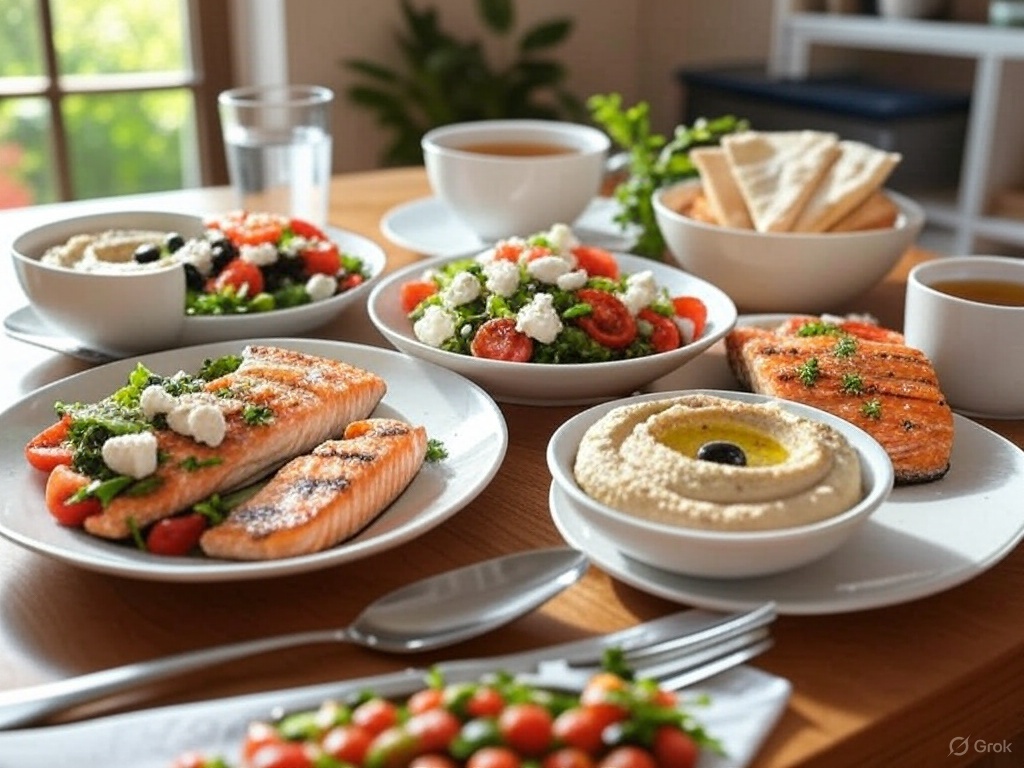
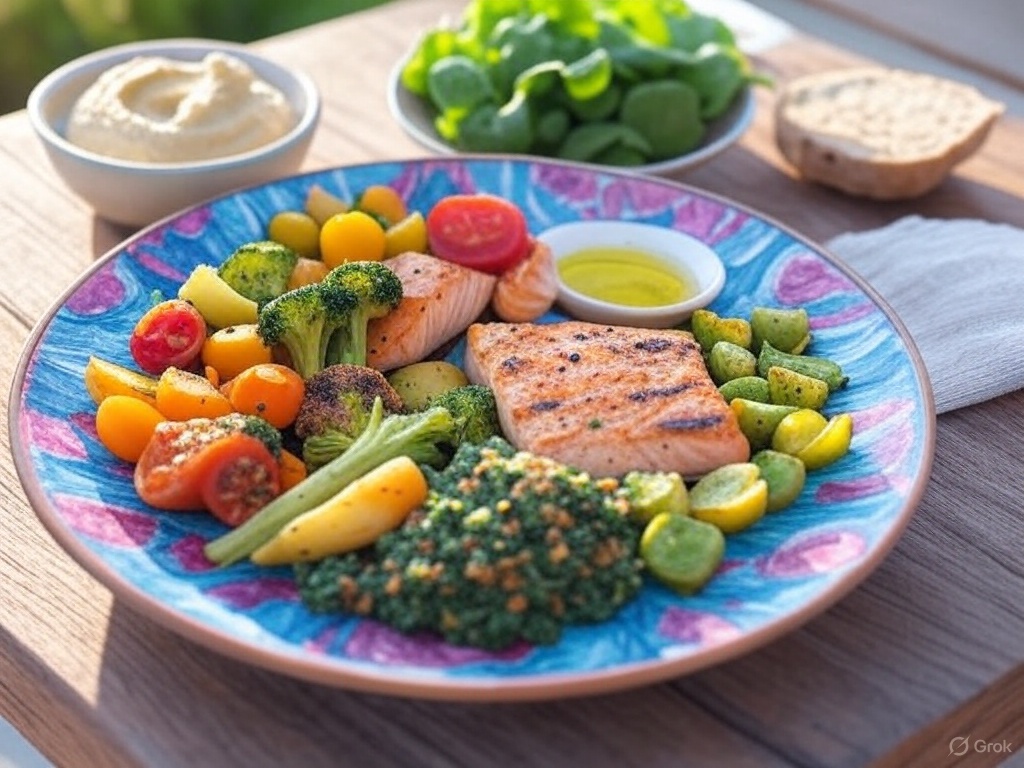
Baked salmon with quinoa and steamed broccoli. Salmon is rich in omega-3s, and quinoa is a fiber-packed grain that won’t cause rapid blood sugar spikes. - Snacks:
Apple slices with almond butter or a small handful of walnuts. These options provide fiber and healthy fats to keep you full between meals.
Tips for Meal Planning with Gestational Diabetes
These practical tips can make meal planning easier and more effective:
- Practice portion control:
Smaller, more frequent meals (like three meals and two snacks) can help prevent blood sugar spikes. Use measuring cups or a food scale to get familiar with portion sizes. - Time your meals:
Try to eat at the same times each day. Consistency helps your body regulate blood sugar more effectively. - Balance carbohydrates:
Carbs aren’t off-limits, but it’s important to choose complex carbs (like whole grains, beans, and vegetables) and pair them with protein and healthy fats. This slows down sugar absorption and keeps your energy levels steady. - Stay hydrated:
Drink plenty of water throughout the day. Hydration supports overall health and can help with blood sugar management. - Monitor your blood sugar:
Keep track of your levels as directed by your healthcare provider. This will help you see how different foods affect you and adjust your meals accordingly.
Easy Recipes for Gestational Diabetes
Here are three simple recipes to inspire your meal planning:
- Greek Yogurt Parfait
- Layer ½ cup of plain Greek yogurt with ¼ cup of fresh berries and 1 tablespoon of chopped nuts.
- Why it works: High in protein and low in sugar, with a touch of healthy fats for balance.
- Grilled Chicken Salad
- Toss 2 cups of mixed greens with 3 oz of grilled chicken, ¼ avocado, 5 cherry tomatoes, and 1 tablespoon of olive oil vinaigrette.
- Why it works: Packed with fiber, protein, and healthy fats to keep you full and your blood sugar stable.
- Baked Salmon with Quinoa and Broccoli
- Season a 4 oz salmon fillet with herbs and bake at 375°F for 15-20 minutes. Serve with ½ cup of cooked quinoa and 1 cup of steamed broccoli.
- Why it works: Omega-3-rich salmon, fiber-filled quinoa, and nutrient-dense broccoli make this a powerhouse meal.
Conclusion
Managing gestational diabetes through diet doesn’t have to be complicated or restrictive. By focusing on balanced meals, portion control, and consistent timing, you can support your health and your baby’s development. Remember, every pregnancy is unique, so it’s essential to work closely with your healthcare provider for personalized advice and guidance.
With these meal ideas and tips, you’re well on your way to creating a healthy, enjoyable eating plan that works for you.
Call to Action
Have you tried any gestational diabetes-friendly meals? Share your favorite recipes or tips in the comments below—let’s support each other on this journey to a healthy pregnancy!
 ChiluxeLife.com
Leave a comment